
7 Surprising Ways to Reduce Money Stress Without Earning More
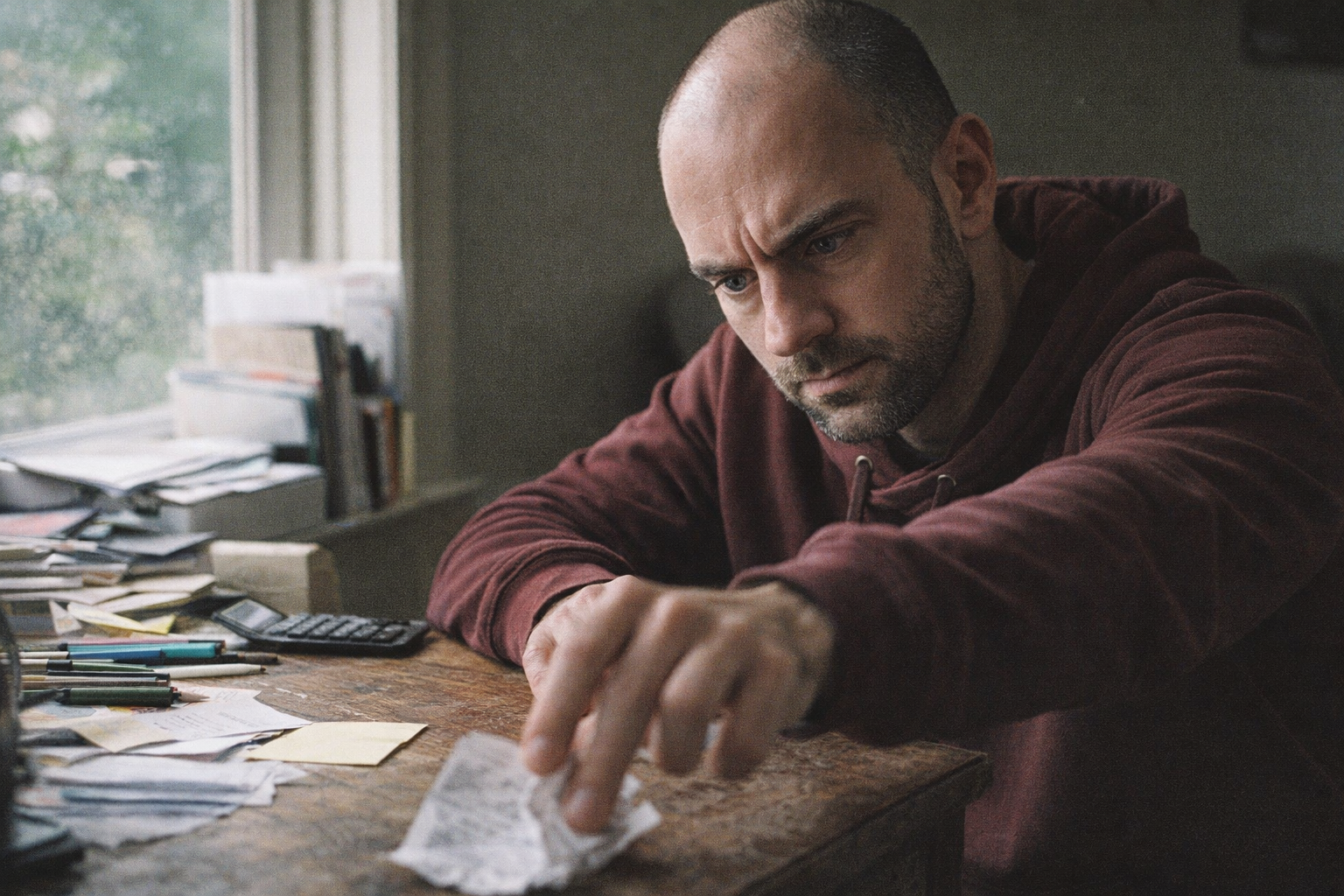
In the past, we’ve had seasons of life when we’ve felt financial stress. Thankfully, things have mostly gotten better over the years. If you’re still in a difficult season, I want you to have hope that it doesn’t last forever. With the right strategy, you can start to see the light at the end of the tunnel, and at the very least, reduce your anxiety levels.
If you’re like I was, you might think the only way to reduce your financial stress is to make more money. In fact, that is just one piece of a larger puzzle, and not even the most important. There are easier ways to make progress without changing your income at all.
It’s not necessarily easy to eliminate all the stress from your financial life, but it is completely doable. In fact, I know it’s possible because I’ve seen it done again and again. I’ve experienced it first hand. I can’t guarantee that the way will be easy, but I can promise you that it’s possible.
Build a small financial cushion
Few things take up as much mental bandwidth as money when you’re struggling to make ends meet. Financial stress can make it hard to enjoy family, friends, or really anything at all. You may think it’s impossible to save when money is already tight, but I assure you it’s not. You can’t solve all your financial worries in one big sweep, but you can build a small cushion, which will remove some of the pressure and stress overnight. Let’s say your rent is about $1k per month (it’s easy math). Set an initial goal of saving $100 in an envelope. If you are diligent, you might be able to reach this in 3 months. That’s ok, because now in about 2 years you’ll have the equivalent of another month of rent. This modest buffer will go a long way towards reducing your anxiety, even if it doesn’t solve everything.
Create a budget to identify waste
It was a life changing moment for me, in my early 20’s, when I realized how much money I was wasting by not tracking my spending. I had an abstract sense of what I spent each month, but no concrete way of knowing if I was on track or not. It turns out, I was way off. When you’re just estimating in your head, you don’t take into account the difference between occasional and recurring expenses. When all was said and done, I was surprised to learn I was wasting about 20-25% of my income, if I was being honest with myself. Use a tool like YNAB (You Need a Budget) to track your spending and stick to a budget. It won’t be fun at first, but it will be worth it to have that power back in your hands.
Simplify your overall financial life
This tip has been super helpful in my financial journey, so I’m thrilled to pass it along. I have found that money stress is not actually about money, but it is the result of having a lack of control. You feel like you don’t know what’s going on, or don’t trust yourself to make the right moves— and so you worry. A big help to me was the radical simplifying of my financial life. I don’t mean cutting expenses, because that’s a different thing altogether. I mean reducing the number of variables I had to worry about. For instance, maybe there is an expense category that you don’t use very often, maybe only a couple times per year. Why not open a separate virtual checking account just for those types of purchases. Now you’ll have great clarity on how much you’re spending, and you’ll be able to estimate future expenses more accurately. Doing this kind of thing meant that I was no longer stressed just wondering if I remembered everything or if something important fell through the crack.
Change your perception of money
These days my wife and I enjoy being generous. We know that our money isn’t just for us, nor should it be. As I’ve gotten older, I’ve realized that what is the point of having a lot of money in the bank? You can’t take it with you. It will just get left to someone else, and by then I’ll have no idea if they are the sort of person I would want to handle it. So, yes, I do think it’s important to save money, to have enough for emergencies, so that you don’t have to worry. But beyond that there is no purpose in having money unless it is helping you to create a better life for yourself and others. You must define what type of life you want to live, and then let money be the means of getting there. But do not confuse the two. Money is not the goal. Money is not an end. It is only a tool.
Ask a frugal friend for advice
Do you have a friend that you really look up to when it comes to how they handle finances? It could be someone in your family, or your church, or at the office. Maybe it’s your nextdoor neighbor. How do you know if someone is worth asking for advice? Well, in my experience, you can simply ask yourself, “Are they someone I consider frugal?” Frugal means that they don’t spend money unnecessarily. It doesn’t mean that they are cheap, or never spend money. But rather that when they do spend money, they likely have an intentional plan. Anyone who fits that bill is likely to be a great source of wisdom. And think about it— the best advice comes from those closest to us, and it doesn’t cost anything.
Regularly pray for wisdom
I can’t help but add this last piece of advice, because it’s been so important in my own life. I know and trust that God knows everything that’s going on in my life. And his word, the Bible, promises that he will provide for our needs. Praying to God about my finances takes a huge load off my shoulders because it reminds me that the burden is not all on me. Not everything is in my control. And that no matter what happens, I can trust that God’s plan is good for my life. At the very least, I am asking for God’s help and acknowledging his goodness. But as the Bible also says, “ask and you shall receive.”
Financial stress is brutal. I know how hard it can be to think about anything else, and how it can diminish your enjoyment of all the good things in your life. If you find yourself in this situation, please know that it is possible to improve your situation without just making more money. More money is not the only solution, and not even the easiest. By reading this article you are taking the very first step: educating yourself on the changes you can make. Now, it’s time to take action, and I know with enough desire you will begin to move the needle.

The Best Cheap Grocery List Items (& Healthy Too!)

How to Stop Saying ‘I’m Broke!’ and Actually Fix It
